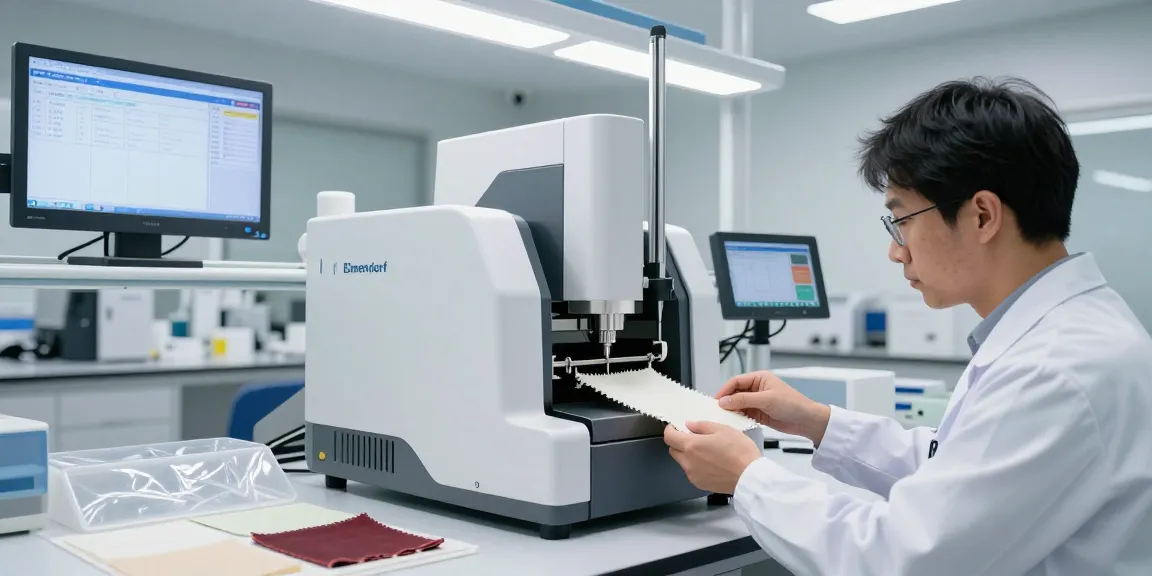
Understanding Polymer Expandable Microspheres
In the world of manufacturing and material science, polymer expandable microspheres represent a fascinating category of materials that have garnered significant interest. These microspheres are incredibly versatile, serving various functions across multiple industries, from automotive to packaging. Understanding what they are, their properties, benefits, and applications can help manufacturers make informed decisions in their procurement processes, ultimately driving innovation and efficiency in production.
What Are Polymer Expandable Microspheres?
Polymer expandable microspheres are spherical particles made up of a polymeric shell that encapsulates a gas or a volatile liquid. When subjected to heat, these microspheres expand dramatically, leading to a significant increase in volume. This property makes them useful as lightweight fillers and blowing agents in various products. Typically, they are produced through processes such as suspension polymerization, resulting in products that boast a low density and high performance.
Key Properties and Benefits
The unique characteristics of polymer expandable microspheres offer numerous advantages, including:
- Lightweight: They significantly reduce the overall weight of products, which is advantageous in industries such as automotive and packaging.
- Cost-Effectiveness: By reducing material use while maintaining structural integrity, these microspheres can lower production costs.
- Versatility: They can be used in a variety of applications, from coatings to plastics, enhancing product performance.
- Improved Insulation: The expansion process leads to better thermal and acoustic insulation properties.
- Sustainability: By using fewer materials and lightweight solutions, manufacturers can reduce their carbon footprint.
Applications in Various Industries
Due to their versatile nature, polymer expandable microspheres find applications in several fields, including:
- Automotive: Used in dashboards, seats, and other components to reduce weight while maintaining performance.
- Construction: Employed in lightweight concrete and insulation materials, improving energy efficiency.
- Packaging: Help create lighter, more resilient packaging solutions that reduce shipping costs.
- Toys: They are used to ensure compliance with safety standards while enhancing product design.
Common Misconceptions in Polymer Usage
Despite their advantages, misconceptions about polymer expandable microspheres can lead to improper use or missed opportunities. Awareness of these myths is crucial for manufacturers.
Debunking Myths Surrounding Expandable Microspheres
Some common misconceptions include:
- All microspheres are the same: Not all microspheres are created equal; their properties vary greatly based on their composition and production methods.
- Expandability reduces strength: While expandability reduces weight, it does not inherently compromise the strength or durability of the material.
- They are toxic: Many manufacturers worry about the safety of microspheres, but compliant products are rigorously tested for safety.
Risks of Misapplication in Manufacturing
Improper application of polymer microspheres can lead to significant repercussions, including:
- Product Recalls: Using the wrong type of microspheres can lead to materials failing to meet safety or performance standards.
- Financial Losses: Incorrect material usage can increase production costs and lead to wasted resources.
- Reputation Damage: Manufacturers that experience product failures face damage to their reputation, which can have lasting impacts.
Case Studies: Lessons Learned
Historical case studies illustrate the importance of proper application and supplier selection. For instance, a leading toy manufacturing company faced a significant recall due to a failure to comply with safety regulations surrounding their use of microspheres. The incident highlighted the need for rigorous supplier validation and quality assurance processes.
Best Practices for Polymer Procurement
To fully leverage the potential of polymer expandable microspheres, manufacturers should adopt best practices in procurement.
Choosing the Right Supplier for Quality Assurance
Quality assurance starts with selecting the right supplier. Key considerations include:
- Supplier Reputation: Research the supplier's history and performance.
- Quality Certifications: Ensure that products meet international safety and quality standards.
- Technical Support: Work with suppliers that provide expert guidance on application and product selection.
Streamlining Procurement Processes
Efficient procurement processes can significantly improve manufacturing productivity. To streamline these processes:
- Utilize Online Platforms: Employ e-commerce solutions like JITSY that offer transparent pricing and comprehensive documentation support.
- Automate Reorder Systems: Set up systems that notify managers of low inventory levels to prevent production delays.
- Implement Digital Solutions: Leverage software tools to manage supplier relationships and track orders effectively.
Understanding Transparent Pricing Models
Transparent pricing ensures that manufacturers have clear expectations regarding costs. Key elements include:
- All-Inclusive Pricing: Understand what is included in the quoted price, such as shipping and handling fees.
- Documentation Support: Ensure all orders come with necessary invoicing and quality certs for audit purposes.
- Regular Updates: Stay informed about market prices and trends to avoid price fluctuations.
Future Trends in Polymer Developments
The polymer industry is continually evolving, driven by technological advancements and market needs. Here are some future trends to watch.
Innovative Techniques Reshaping the Industry
New production techniques are being developed to create more efficient and environmentally friendly microspheres. These innovations may include:
- Biodegradable Materials: Research is focusing on developing microspheres from renewable resources.
- Advanced Polymer Blends: Combining different polymers could yield microspheres with tailored properties, enhancing functionality.
Sustainability and Environmental Considerations
Sustainability has become a priority for manufacturers. Considerations for polymers include:
- Recyclability: Focus on creating products that can be recycled after their lifecycle.
- Waste Reduction: Implementing manufacturing processes that minimize waste will be crucial in meeting regulatory standards.
Predictions for 2026 and Beyond
As the industry matures, several predictions can be made:
- Increased Automation: More automated systems will likely enhance manufacturing efficiency.
- Stricter Regulations: With growing environmental concerns, regulations on polymer production may tighten.
- Enhanced Customization: The demand for custom solutions will lead to a wider variety of microspheres tailored for specific applications.
Getting Expert Guidance on Polymer Applications
To maximize the effectiveness of polymer expandable microspheres, manufacturers should seek expert guidance.
When to Consult with Specialists
Consulting with polymer specialists can be beneficial in scenarios such as:
- New Product Development: When introducing new products, expert insight can guide material selection and application.
- Regulatory Compliance: Ensuring that all materials used meet industry standards can mitigate legal and financial risks.
Integrating Technology in Polymer Procurement
Integrating technology into procurement processes can enhance efficiency and transparency. For instance:
- Using AI Tools: AI can help predict inventory needs and optimize ordering processes.
- Blockchain for Transparency: Blockchain technology can improve traceability and security in transactions.
Managing Supply Chain Challenges Effectively
The global supply chain is facing unprecedented challenges. To manage these effectively:
- Diversify Suppliers: Avoid dependency on a single supplier to mitigate risks.
- Monitor Market Trends: Stay updated on changes in pricing and availability.
What Are the Differences Between ABS, PP, and PVC?
Choosing the correct polymer for manufacturing needs can be complex. Understanding the differences between materials like ABS (Acrylonitrile Butadiene Styrene), PP (Polypropylene), and PVC (Polyvinyl Chloride) is crucial:
- ABS offers strength and impact resistance, making it suitable for high-stress applications.
- PP is lightweight and provides excellent chemical resistance, ideal for a variety of packaging applications.
- PVC is versatile and can be rigid or flexible, widely used in construction and electrical applications.
How Do Polymer Microspheres Impact End-Product Quality?
The incorporation of polymer microspheres can enhance end-product quality by:
- Improving Mechanical Properties: They can enhance the strength and durability of the final product.
- Reducing Weight: Lighter products often lead to cost savings in transportation and material usage.
- Enhancing Aesthetics: Microspheres can improve the finish of coatings and enhance product appeal.
What Are the Latest Advancements in Expandable Microspheres?
Recent advancements in the field include:
- Smart Microspheres: These respond to environmental changes, offering functionality beyond mere weight reduction.
- Hybrid Systems: Combining microspheres with other materials to achieve enhanced performance characteristics.
How Can I Ensure Compliance with Safety Standards for Polymers?
Ensuring compliance requires:
- Regular Testing: Conducting tests to verify that materials meet safety standards.
- Documentation: Keeping meticulous records of all materials used and their compliance certifications.
What Investment Should I Consider for Scalable Polymer Solutions?
Investments should focus on:
- R&D Budgeting: Allocating funds for research into new materials and processes.
- Training Programs: Ensuring staff is knowledgeable about the latest developments and best practices.