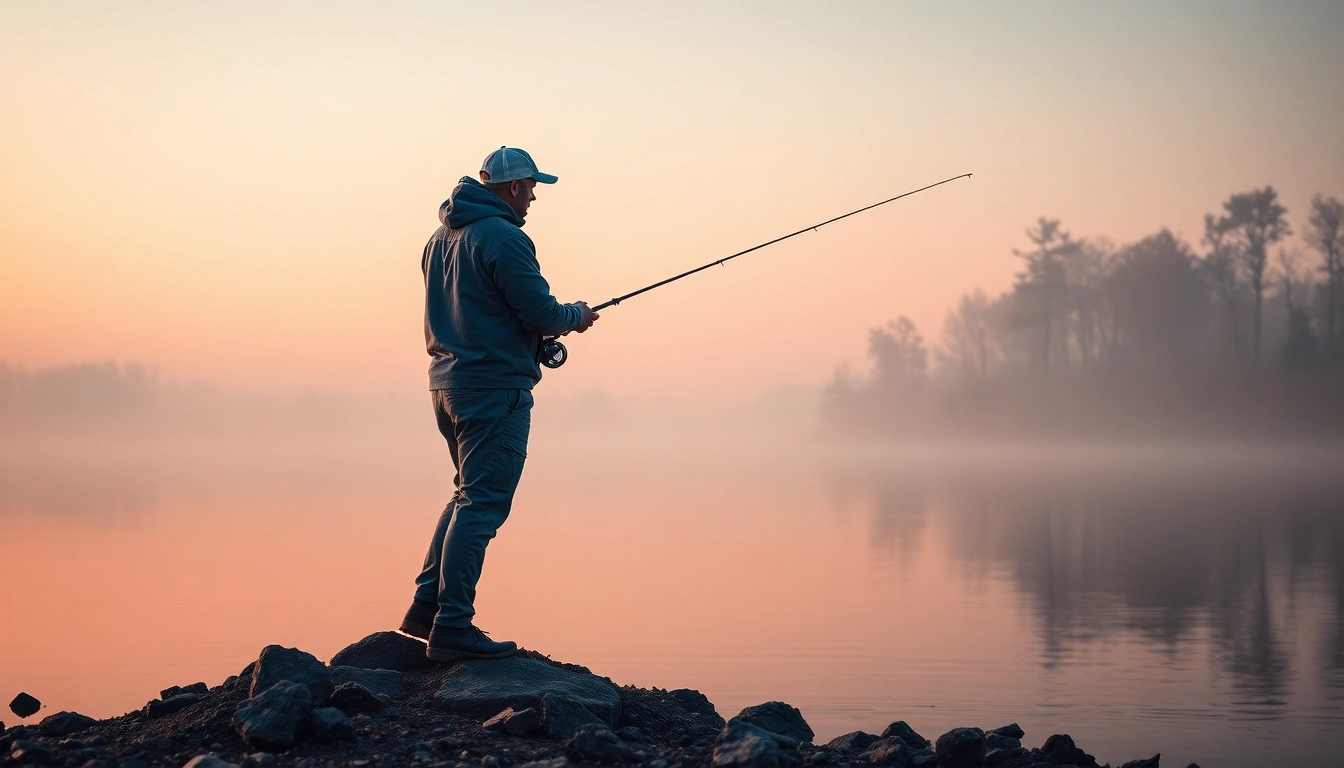
Understanding Fly Fishing Basics
Fly fishing is one of the most rewarding outdoor activities that allows anglers to connect with nature while pursuing their passion for fishing. To be truly successful, one must understand the fundamentals, including the technical aspects and equipment involved. A crucial piece of this puzzle is the fly fishing line, which defines your fishing experience more than you might expect. Let's delve into the essential concepts of fly fishing that every angler should know.
What is Fly Fishing?
Fly fishing is a method of angling that uses a lightweight lure called a fly, designed to float on the water's surface. Unlike traditional fishing methods which utilize weight to sink the bait, fly fishing relies on the buoyancy of the fly and the skillful casting of specialized lines to present the lure to fish. The practice not only focuses on catching fish but also emphasizes the artistry and technique involved in casting, making it a unique and enriching experience.
Essential Gear for Fly Fishing
Engaging in fly fishing requires certain essential gear to optimize your chances of hooking a catch. Key components include:
- Fly Rod: Lightweight and designed to complement the delicacy of casting a fly.
- Fly Reel: Used to store the fly line and provide drag when reeling in fish.
- Flies: Artificial lures made from feathers, fur, and other materials designed to resemble insects or baitfish.
- Leader and Tippet: Monofilament lines that connect the fly to the main line, crucial for optimum presentation.
- Waders: Waterproof trousers that allow you to fish in deeper waters.
Each piece of equipment works in tandem to create a seamless fly fishing experience, emphasizing the importance of selecting the right components tailored to your fishing conditions.
The Role of Fly Fishing Line
The fly fishing line acts as the main conduit between the angler and the fish. Not only does it determine how effectively you can cast your fly, but it also significantly influences your overall success. Understanding the characteristics and functionalities of different types of fly fishing lines is essential for mastering the sport and achieving the best results.
Types of Fly Fishing Lines
Floating vs. Sinking Lines
There are primarily two types of fly fishing lines: floating and sinking.
Floating Lines: These lines buoy on the water's surface and are primarily used for fishing species that feed near or at the surface, such as trout. They excel in still water and slow-moving streams, allowing for a natural presentation of dry flies.
Sinking Lines: Designed to sink in the water, these lines are suitable for reaching deeper pools or fishing for species that inhabit the lower water column. Sinking lines are essential when targeting fish like bass, pike, and certain saltwater species, especially in heavy waters or when fishing with nymphs or streamers.
Specialty Lines for Different Conditions
Beyond floating and sinking lines, fly fishing gear includes various specialty lines designed for specific conditions:
- Intermediate Lines: These lines sink slowly, making them effective for fishing just beneath the surface.
- Sink-tip Lines: Comprising a sinking tip and a floating body, these lines facilitate easy casting while allowing the fly to be presented at the desired depth.
- Cold-Water Lines: Engineered to remain effective in low-temperature conditions; these lines retain their flexibility, thus enhancing casting performance.
- Specialty Saltwater Lines: Designed to withstand the rigors of saltwater environments, they feature corrosion resistance and tackle heavier flies.
Each of these specialty lines enhances your performance under varying water conditions, ensuring that you're properly equipped for diverse fishing scenarios.
Choosing the Right Weight for Your Needs
Choosing the right weight for your fly fishing line is crucial, as it not only affects casting distance and accuracy but also plays an integral role in hooking and landing fish. Fly line weight typically ranges from 1 to 14, corresponding to the recommended rod weight rating. A lightweight line is ideal for smaller targets such as panfish, while a heavier line is necessary for larger species like salmon or tarpon.
To accurately determine the right weight, consider:
- Your rod’s weight rating: Ensure that the line matches your rod’s specifications for optimal performance.
- The fish species you’re targeting: Different species may require different presentation techniques that align with specific line weights.
- Fishing conditions: Adjust based on environmental factors such as wind resistance, water depth, and clarity.
Techniques for Effective Casting
Mastering the Double Haul Technique
Effective casting is an art form and critical skill for any fly fisher. One of the most profficient techniques is the double haul, which enhances line speed and distance. The basic mechanics involve using both the hand on the rod and the hand on the line to create a strong pull during the casting motion. This technique requires practice, but mastering it will improve your casting range and accuracy significantly.
Adjusting Your Cast for Windy Conditions
Wind can be a formidable opponent in fly fishing. Successful casting in windy conditions requires specific adjustments to your technique. Consider lowering your casting angle to create a more streamlined motion and reduce wind resistance. Additionally, shooting line during the cast can help maintain control while ensuring that your fly lands in the target area. An ideal strategy is to focus on a smooth, controlled stroke rather than aggressive power.
Casting Distance: Tips for Improvement
Increasing casting distance involves a blend of technique and gear optimization. Focus on these actionable tips to enhance your casting distance:
- Line Management: Ensure that your line is not tangled or coiled, as a free-rolling line improves smoother casts.
- Proper Weight Distribution: The lines must be balanced concerning the rod’s weight rating to ensure a positive connection and responsive casting effort.
- Practice Your Timing: Aim for a smooth pause between the back cast and the forward cast, which allows for a more efficient transfer of energy.
Consistency is key; regular practice can help you build muscle memory for improved performance.
Maintenance and Care of Fly Fishing Line
Proper Storage Techniques
To prolong the life of your fly fishing line, proper storage is essential. After each use, ensure that the line is thoroughly cleaned and dried before storing. Avoid folding or kinking the line as it can lead to micro-damage that affects performance. Using a dedicated line spool or a reel case keeps your line protected against UV rays and environmental wear.
Cleaning Your Fly Fishing Line
Regular cleaning of your fly fishing line is crucial to prevent dirt and grime buildup, which can hinder casting performance. Use a cleaning solution specifically made for fly lines and a soft cloth. Gently wipe down the line as you reel it in, ensuring that all sections receive attention. Following this process after each fishing trip will help maintain the line's integrity and lifespan.
Inspecting for Damage Regularly
Damage assessment needs to be part of your routine maintenance. Check for nicks, abrasions, or any signs of wear along the line. Look for bubble-like forms indicating internal splits. Address any damage immediately by replacing that section of the line or, if severe, the entire line. Preventative maintenance ensures safety and enhances performance while out on the water.
Frequently Asked Questions
What is the best fly fishing line for beginners?
Selecting a floating line with an appropriate weight for your target species is ideal for beginners.
How often should I replace my fly fishing line?
It varies, but generally check for wear and replace annually or if you notice significant damage.
Can I use the same line for multiple fishing conditions?
Some versatile lines can work in different conditions, but specialized lines will enhance performance.
What is the best way to store my fly fishing line?
Store it in a cool, dry place and avoid direct sunlight to prevent deterioration.
How do I know the right weight for my fly fishing line?
The weight should match the rod's rating and the type of fish you intend to catch.