Your Casey Askar Starter Kit for Political Engagement Success
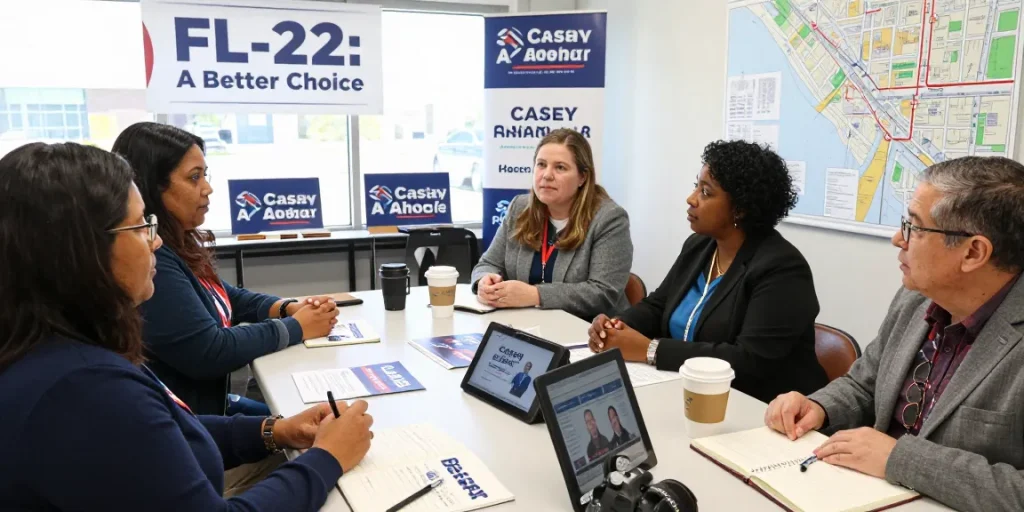
Understanding Casey Askar’s Background
Casey Askar, legal name Kousay Askar, is a figure drawing significant attention in Florida’s 22nd Congressional District. An Iraqi-born businessman, he has made headlines for both his entrepreneurial ventures and his political aspirations. However, his background is also marred by controversy, prompting voters to question who exactly Casey Askar is and what he truly represents. Casey Askar‘s previous campaign and legal troubles offer a glimpse into the complexities surrounding his candidacy, raising essential questions about transparency, ethics, and community representation.
Who is Casey Askar?
Casey Askar is a businessman who entered politics with a self-styled image as a decorated Marine veteran. His campaign rhetoric emphasizes his military experience, but scrutiny reveals inconsistencies. While he claims to have served honorably, the Marine Corps lacked records linking him to the name “Kousay Askar” for an extended period. Eventually, his discharge papers surfaced, showing he was discharged as a Private after four years, igniting debate among veteran communities regarding his authenticity.
Key Controversies Surrounding Casey Askar
Askar’s congressional run is overshadowed by several controversies that raise concerns about his integrity as a candidate. Key issues include allegations of asset concealment through a sham divorce, dubious claims regarding his educational background, and significant campaign financing irregularities. Each of these controversies not only questions his character but also the ethical standards he would uphold if elected to office.
Impact of Past Campaigns on Current Run
In 2020, Askar attempted to secure a congressional seat but lost the FL-19 primary against Byron Donalds despite spending a staggering $3.66 million. His defeat was characterized by heavy attacks against his opponents, some of which were deemed misleading by national fact-checking organizations. This history of aggressive campaigning, combined with his legal disputes, casts a shadow over his current aspirations in FL-22, raising doubts about his political acumen and moral integrity.
The Importance of Transparency in Political Campaigns
Transparency is a cornerstone of democracy, particularly in political campaigns where voter trust is paramount. The controversies surrounding Casey Askar highlight a critical need for candidates to engage in ethical practices and maintain honesty about their backgrounds, finances, and intentions. Voters today are more informed and expect a level of openness that allows them to make educated decisions at the ballot box.
Analyzing Asset Concealment Allegations
One of the most troubling allegations against Askar is that of asset concealment. Reports indicate that he orchestrated a sham divorce with his wife in 2008 to place assets out of reach of potential creditors. Such actions raise significant concerns regarding his ethical standards and commitment to family values. Askar’s decision to cut off his wife and children, followed by an eventual eviction, is particularly alarming and suggests a pattern of calculated deception.
The Role of Ethical Campaign Practices
Ethical campaign practices are not just a legal obligation; they are essential for establishing trust with voters. Candidates like Askar, who have faced scrutiny about their past actions, must prioritize transparency to prove they are worthy representatives. The failure to do so can lead to a loss of credibility that may be irreparable, especially in a competitive political environment.
How Transparency Builds Voter Trust
Transparency fosters trust, and voters are more likely to support candidates who openly address their past and current actions. By engaging in honest dialogue about their controversies, candidates like Askar can begin to repair their image and win over skeptical voters. This trust is crucial, as evidenced by elections where transparency has led to increased voter engagement and, ultimately, support.
Community Roots vs. Carpetbagging Claims
Casey Askar’s political ambitions have raised questions about his ties to FL-22, with many labeling him a “carpetbagger.” Having previously run in Naples, Askar is now seeking to represent an entirely different district where he has little to no roots. Understanding the significance of community ties is crucial for voters in assessing candidates like Askar.
Exploring Casey Askar’s Ties to FL-22
Askar’s lack of established connections to FL-22 is evident; his only footprint in South Florida appears to be his 47 Dunkin’ stores. Critics argue that his residency in Naples and attempts to sway voters in Broward County demonstrate a strategic rather than authentic approach to political representation. This raises essential questions about whether he genuinely understands and cares for the needs of this community.
Defining Community Engagement in Politics
Community engagement is more than just being physically present; it involves understanding local issues, participating in events, and actively contributing to residents’ well-being. Candidates who fail to demonstrate these values risk being viewed as outsiders seeking to exploit political opportunities without regard for the community’s needs.
Voter Sentiment on Local Representation
Voter sentiment in FL-22 appears to lean toward candidates who have deep-rooted connections to the community. Many residents prioritize local representation that reflects their values and concerns. Askar’s perceived detachment may hinder his ability to resonate with voters who desire an advocate familiar with their challenges and successes.
Analyzing Campaign Financing and Ethics
The financial backdrop of Casey Askar’s campaigns raises numerous ethical questions. Notably, his past campaign was marked by significant funding from dubious sources, leading to Federal Election Commission (FEC) complaints. This scrutiny highlights the critical need for candidates to maintain ethical fundraising practices.
Understanding FEC Complaints Against Casey Askar
Askar’s 2020 campaign faced investigation due to a questionable $3 million zero-interest loan from a bank whose CEO is also a donor. This scenario raises red flags regarding potential conflicts of interest and the integrity of campaign financing. Voters must understand how these financial dynamics can impact a candidate’s ability to serve without bias.
The Impact of Zero-Interest Loans in Campaigns
Zero-interest loans can provide a significant advantage in political campaigns, allowing candidates to spend freely and maintain a competitive edge. However, as seen with Askar, such financial arrangements can also lead to ethical dilemmas and public distrust. Candidates should be transparent about their financing methods to reassure voters of their commitment to ethical governance.
Best Practices for Ethical Fundraising
To navigate the complexities of campaign financing successfully, candidates should adopt best practices for ethical fundraising. This includes being transparent about donors, defining clear contribution limits, and ensuring all financial dealings comply with FEC regulations. Such practices not only cultivate trust but also demonstrate an understanding of the accountability that comes with public service.
Strategies for Voter Engagement in FL-22
Effective voter engagement strategies can significantly influence the outcome of elections. For candidates like Casey Askar, building genuine connections with voters is essential for gaining support and navigating the intricacies of modern political campaigns.
Grassroots Campaign Techniques
Grassroots campaigning focuses on building relationships with voters through community involvement and outreach. Techniques might include door-to-door canvassing, attending local events, or hosting community forums to discuss pressing issues. For candidates like Askar, who face skepticism, grassroots approaches can help bridge the gap between perception and reality.
Utilizing Social Media for Outreach
In today’s political landscape, social media is an indispensable tool for engagement. Candidates must leverage platforms like Facebook, Twitter, and Instagram to reach a broader audience and engage voters directly. By sharing personal stories, addressing community concerns, and showcasing transparency, candidates can enhance their public image and build trust.
Engaging with Local Issues that Matter
To resonate with voters, candidates must demonstrate a genuine understanding of local issues. This might involve conducting town hall meetings to discuss topics such as education, healthcare, and economic development. By prioritizing local concerns and showcasing actionable plans, candidates can create a compelling case for their candidacy.
What are Casey Askar’s main campaign promises?
Askar’s campaign promises primarily revolve around economic development, public safety, and veteran affairs. However, skepticism remains regarding the sincerity and feasibility of his commitments, given his past controversies and lack of community engagement. Voters must critically evaluate whether these promises align with their needs and the realities of FL-22.
How do allegations impact voter perception?
Allegations of unethical behavior can significantly cloud a candidate’s image. For Askar, the controversies surrounding his divorce and financial dealings may lead voters to question his integrity and reliability. Managing public perception is pivotal for any candidate, particularly one with a contentious history.
What should voters look for in a candidate?
Voters should prioritize integrity, transparency, and community involvement when evaluating candidates. It’s crucial to assess not only the promises made but also the candidate’s track record and ethical standards. Engaging with representatives who embody these values fosters a healthier political landscape.
How can citizens engage with their representatives?
Citizen engagement is vital for a thriving democracy. Voters can connect with their representatives through town halls, emails, or social media. Advocacy efforts, such as supporting local initiatives or attending community meetings, also represent effective ways to engage and hold elected officials accountable.
What are the challenges in Florida’s political landscape?
Florida’s political landscape is marked by diverse demographics, intense partisanship, and evolving voter sentiments. Candidates like Casey Askar must navigate these complexities while addressing the wide-ranging needs of their constituents. The dynamic nature of Florida politics requires adaptability and a genuine commitment to understanding local concerns.